

Your Loving Son, Ronie:
Letters from the End of WWII
Available November 3, 2025. Order the hardback edition (US and UK) now and save on the bookstore price!
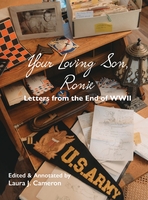
The voices of World War II are almost completely silent 80 years after the war’s official end in September 1945. But in this collection of 424 long-lost letters, written between March 1944 and July 1946, we hear the distinctive voice of one young soldier, Corporal Ronald Francis Dick, ring out clearly – by turns exuberant, bored, determined, even philosophical.
Ronie, as the family calls him, quickly matures from a 17-year-old enlistee, rejoicing in milkshakes and struggling with trigonometry, to a savvy student of radio mechanics, able to impress the pretty but stern WAC instructors. His letters trundle readers by troop train to US Army Air Force technical schools in five states, until his eventual deployment across the Pacific delivers unimaginable culture-shock in “the land of mystery,” India.
The letters then tell of American and RAF pilots shuttling “over the Hump” of the Himalayas in between lively narratives that sound just like a newsreel: “See: Jeweled images just like the ones Hollywood tries to imitate. Beggars and rajahs, a cross section of India… listen in to our broadcast of the Adventures of Ronald ‘Ripley’ Dick!”
With the letters appear a collage of Ronie’s cartoons and snapshots, plus postcards and ephemera of the day. The five appendices are packed with hundreds of quick explanations of military slang; movie, book and radio show references; and the challenges facing those on the Home Front, from gasoline rationing to rabbits marauding the Victory Garden.
In the present day, we know the war would be over within two years, but Ronie and his family didn’t. We can read between the lines, seeing both guarded optimism and secret fears. From their personal letters emerges a portrait of an under-documented period and theater of the war. YOUR LOVING SON, RONIE reflects the experience of thousands of young men who went to war, and the families who waited, worried and wrote.
This substantial, delightful book will appeal to those who love first person accounts of daily life in times past, as well as scholars seeking new primary source material from 1944-1946.